
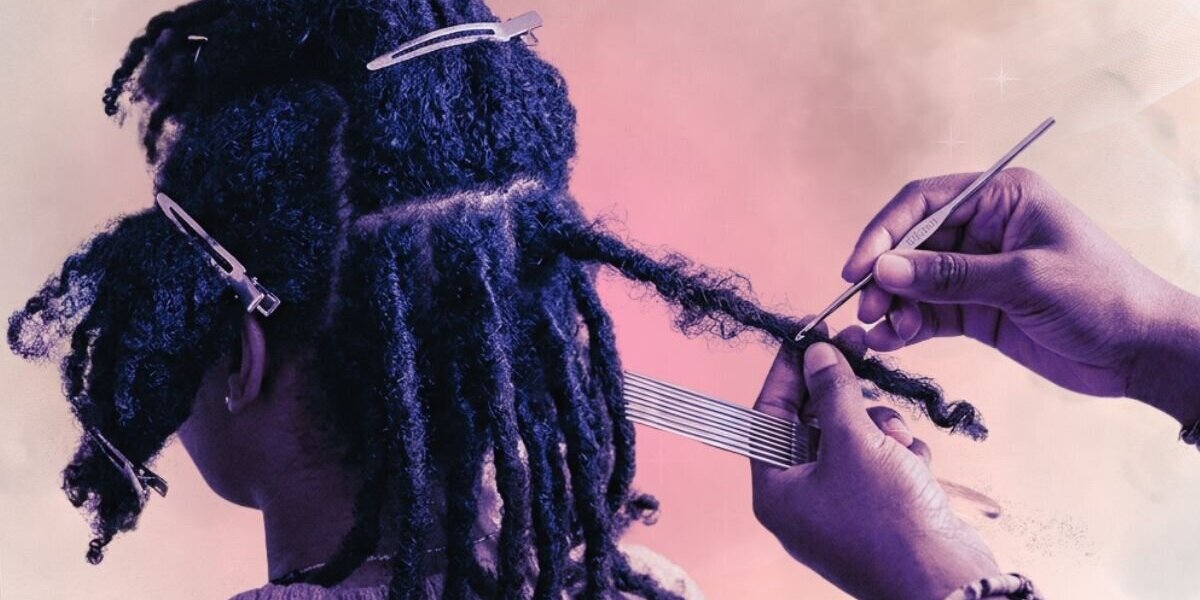
About 3 inches. That's the minimum hair length you need before starting your dreadlock journey. It might not seem like much, but this seemingly small detail often sparks a cascade of decisions, doubts, and questions. Should you go with twists or crochet? Freeform or extensions? DIY or with a loctician? We're here to unravel it all.
Before Choosing a Method: Three Realities to Accept
There are things you might be told too late, so let's lay them out now.
First, the length. 8 to 10 cm minimum, truly. Below that, sections won't hold, locks will unravel at the first wash, and frustration will set in. If you're not there yet, dreadlock extensions are a great alternative while your hair grows.
Next, your texture. Coily hair naturally locks faster than curly or kinky hair. This isn't an advantage or disadvantage. It's just information that will influence your choice of method and, most importantly, your mental timeline.
Finally, patience. Truly formed locks take 6 months to 1 year to mature. The starting phase is often the most challenging: the strands don't hold yet, roots loosen after washing, and the result seems unstable. Everyone goes through it. Really.
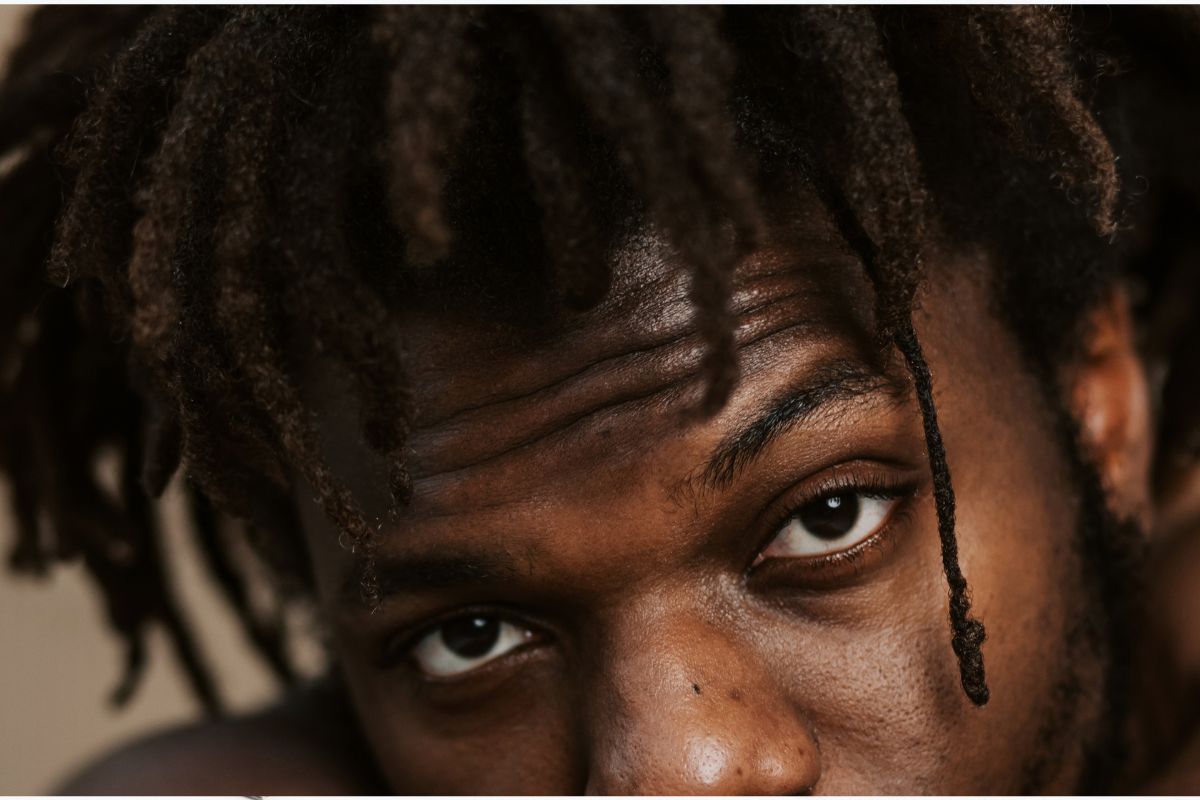
Methods for Creating Dreadlocks
Twist Start
This is the preferred method for those who want to maintain control. The stylist divides the hair into well-defined square sections, then creates two-strand twists or small braids from which the locks will gradually form, week after week, month after month.
What we love about this method is its precision. You choose the thickness, placement, and number of sections. The final result reflects you because it was designed for you from the very first step.
The downside? The first few weeks are delicate. Twists can unravel during washing, and roots may loosen. You need to avoid manipulation, protect your locks at night with a satin bonnet, and accept that it will take several months for the lock to truly "set." No shortcuts possible.
Ideal for: coily and kinky hair, individuals who want a neat and uniform look.
Crochet (Latching)
If twisting is the method of patience, crocheting is the method of immediacy. A fine crochet hook, between 0.5 and 0.75 mm, is used to interlace hair fibers within each strand. The lock is formed from the very first session. Dense, compact, neat.
The result is often stunning. No fuzzy phase, no "I hope it holds." It's tight, it's clean, and it shows.
But here's the thing: crocheting is not something to improvise. In inexperienced hands, it can weaken hair fibers, create fragile points at the root, or even cause breakage. This is the method that most deserves to have your hair entrusted to someone who truly masters it. It's not a matter of distrust; it's a matter of respect for your hair.
Ideal for: all textures, for those who want immediate results and are prepared to maintain them with crocheting long-term.
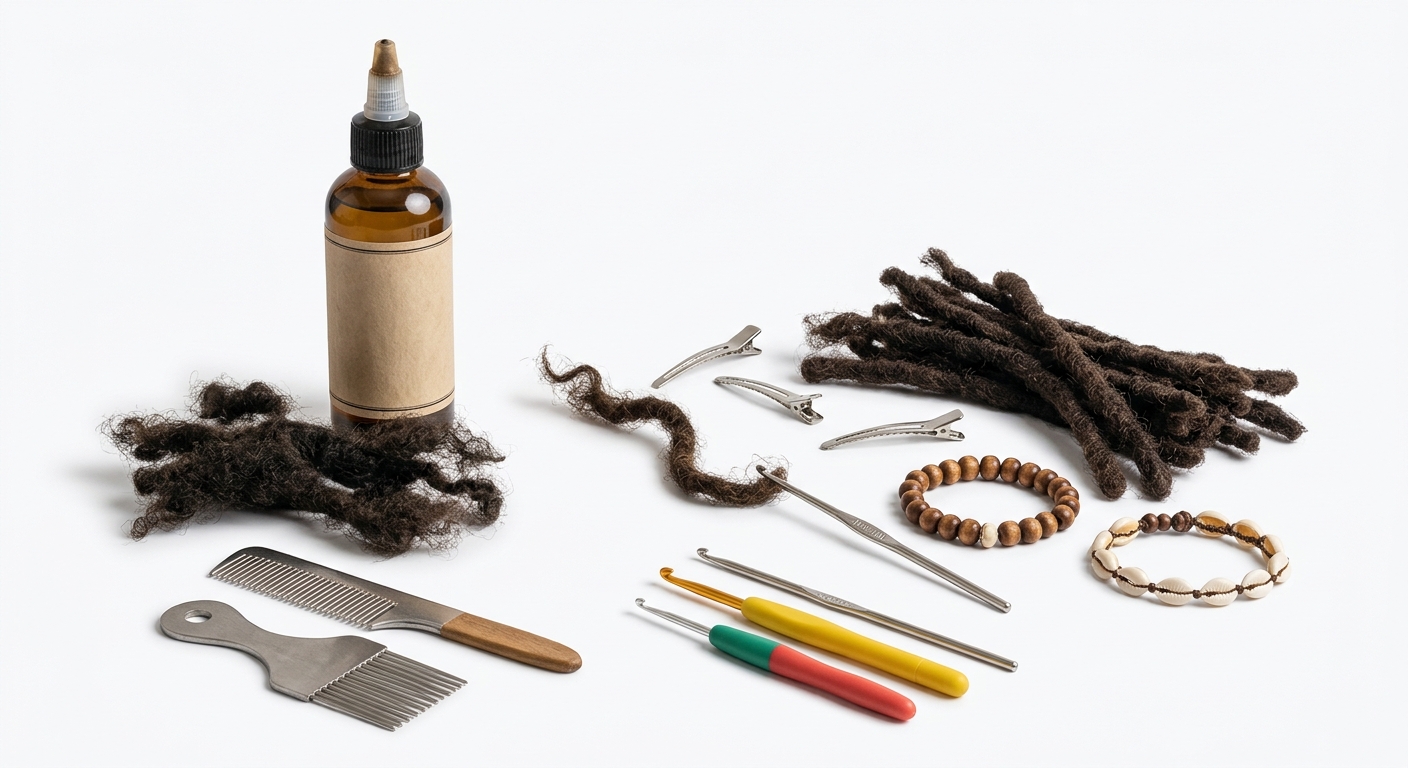
Comb Coiling
Less known in France, this method uses a fine-tooth comb to "coil" the strand onto itself, moving up towards the root. The friction aggregates the fibers and creates the beginning of the lock.
We won't lie to you: this method yields the most variable results depending on hair texture. On very coily 4C hair, it works remarkably well. On curly hair, much less so. And the final look is often more "raw," more natural, than twisting or crocheting, which might be exactly what you're looking for, or not at all.
Ideal for: 4C coily hair, for a result with a strong character.
Freeform Dreadlocks
No technique. No tools. You put down the comb, put down the brush, and let your hair decide. Strands intertwine on their own, with each wash and passing day, to form free, organic, unique locks.
The result is impossible to replicate identically. Thicknesses vary, as do shapes. It's deeply personal. Some find it liberating. Others find it anxiety-inducing, especially at the beginning, when everything seems uncontrollable.
One thing to watch out for: "congos." This is when two neighboring locks start to fuse. If you don't want to end up with one giant lock where you hoped for two, you need to separate them regularly.
Ideal for: very coily hair, individuals who embrace a 100% natural, hands-off approach.
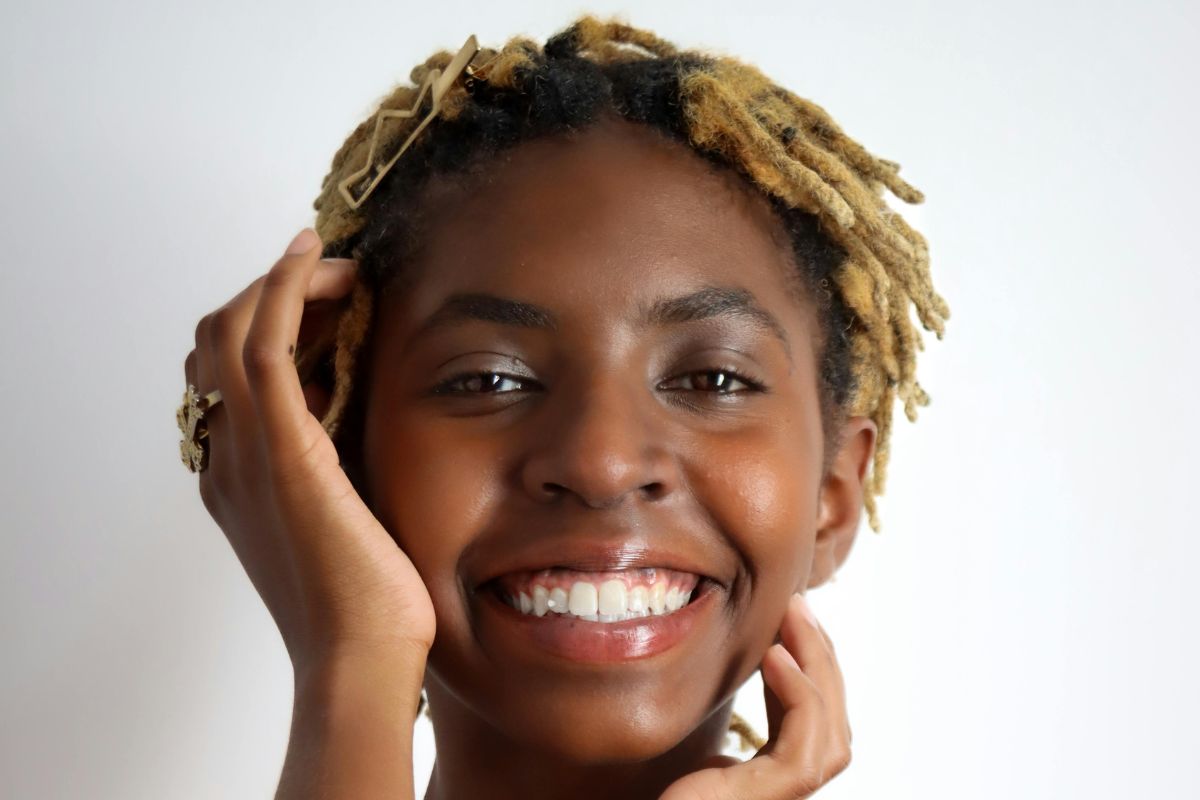
Faux Locs and Dreadlock Extensions
Are you drawn to the aesthetic of locs, but not yet ready for the commitment? Faux locs are exactly for you.
Pre-formed strands, made of natural or synthetic hair, are attached to your natural hair, either by crocheting or sewing. The result is immediate, very similar to a real loc, and reversible. Your natural hair remains protected throughout the wear.
Two points of caution: do not exceed 6 to 8 weeks of wear to avoid knots at the root. And ensure that the extensions are not too heavy: excessive tension on the roots, worn for several weeks, can leave marks.
Ideal for: testing before committing, or getting a beautiful protective style for a season.
Can You Do Your Own Dreadlocks?
Yes. And no.
Twisting, technically, can be done by yourself. With patience, a good mirror, and the acceptance that the back sections probably won't be perfect. Crocheting, however, is much more perilous to self-apply. The nape, the sides, everything you can't see directly: that's where errors creep in.
And even for twisting, a specialized stylist brings something no YouTube tutorial can replace: an eye for your texture, your density, your scalp. She adapts the method to what she sees, not to a generic texture.
Starting locs with a professional also involves a conversation about the first few months: what to expect, what to avoid, when to return. For such a significant choice, this guidance matters.
Frequently Asked Questions
How long does a loc starter session take? Expect between 3 and 8 hours depending on the method, the thickness of the locs, and your hair length. For a full start, block out an entire day.
How much does it cost to start locs? Generally between €80 and €250, depending on the technique and the stylist. A mobile specialist is often more affordable than a salon, not to mention the saved travel time.
Twist or crochet for coily hair? Both work very well. Twisting is more gradual, gentler. Crocheting is more immediate, more compact. It all depends on what you're looking for: a process or a result?
Can you get dreadlocks on short hair? From 8 to 10 cm, yes. Below that, dreadlock extensions are the most suitable solution.
The First Real Step
It's not choosing a method. It's talking to someone who truly understands textured hair. Someone who will look at your hair, your texture, your density, and honestly tell you what's realistic for you in the coming months. A specialized stylist who travels to your home, reviewed by her clients, is what makes the difference between a successful start and six months of struggle.